More information
Useful information on how to get your business started, secure grants and funding and the importance of data management for your business or non-profit.
Funding and Grants
What's the difference between a loan and a grant?
From a small business or nonprofit perspective, loans can be a crucial source of financial support, available from banks, credit unions, and specialized lenders focused on organizational funding. The loan amount your business or nonprofit can secure typically depends on factors such as your organization's credit history, revenue streams, financial statements, and the specific purpose of the loan (e.g., equipment purchase, working capital, or expansion). For nonprofits, additional considerations may include your fundraising track record and grant history. Many lenders offer flexible or rolling deadlines for business and nonprofit loans, allowing you to apply when your organization needs funding.
Grants are a valuable form of financial assistance that organizations don't have to repay, making them highly sought-after. They vary widely in size, from small amounts to multi-million dollar awards, depending on the funding source and project scope. Securing a grant typically requires submitting a detailed application, including project descriptions, budgets, and expected outcomes. The success of grant applications depends on factors such as the competitiveness of the funding opportunity and how well your mission aligns with the funder's priorities. Most grants have set deadlines, which may be annual, bi-annual, or quarterly, followed by a review period that can last several weeks to months before award decisions are announced. ASBNS specializes in grant writing and grant locating services.
How do I find grants?
Crafting a compelling grant application is crucial for nonprofits and small businesses seeking funding. A strong proposal should clearly articulate your organization's needs and outline practical steps to achieve your goals. To maximize your chances of success, consider diversifying your applications by submitting to multiple funders, including often-overlooked private organizations. By balancing a broad application strategy with targeted, well-crafted proposals, you can enhance your grant-seeking efforts and improve your odds of securing the financial support your organization needs to thrive.
Whether you want to cast a wide net and apply for multiple grants or focus your attention on a specific grant, ASBNS can work with you to ensure you can secure the funding you need.
What about fundraising?
Local Fundraising
Local fundraising events offer multiple benefits beyond raising money for nonprofits and community organizations. These activities generate funds while increasing visibility and fostering community engagement. By organizing events like charity auctions or fun runs, organizations can attract local businesses as sponsors, creating mutually beneficial partnerships.
Fundraising events provide excellent networking opportunities, increase awareness about the organization's mission, and bring together like-minded individuals. They often garner media attention, amplifying the organization's message within the community. Ultimately, local fundraising creates a win-win situation, raising essential funds while strengthening community ties and boosting the organization's impact.
Silent Online Auctions
Silent online auctions offer numerous advantages for nonprofits and small businesses seeking to raise funds efficiently. These digital events provide a cost-effective alternative to traditional in-person auctions, eliminating expenses for venue rentals and catering. Online platforms extend the reach of auctions beyond geographical boundaries, allowing organizations to engage a broader audience of potential donors. The extended bidding period, often lasting several days or weeks, gives participants more time to browse items and place bids at their convenience. This flexibility increases engagement and potentially drives up bid amounts.
Additionally, online auctions streamline the process with automated bidding, real-time updates, and secure payment systems, reducing the need for extensive volunteer management and minimizing errors. The digital format also allows for easy tracking of donor information and bidding patterns, providing valuable data for future fundraising efforts. This data-driven approach enables organizations to refine their strategies, tailor their offerings, and build stronger relationships with supporters, ultimately enhancing the effectiveness of their fundraising initiatives.
Data management & Analytics
What is it and how can it help me?
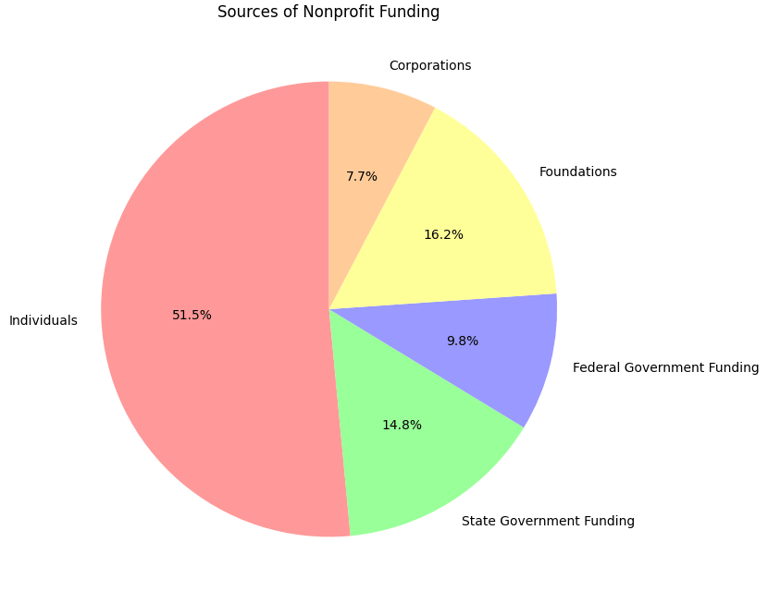
Pictures of graphs
Measuring and showcasing your organization's impact is crucial for demonstrating value to funders and stakeholders. To effectively quantify your impact, it is essential to implement a comprehensive strategy that includes defining clear objectives, establishing key performance indicators (KPIs), and collecting both quantitative and qualitative data. This approach goes beyond simple output metrics, focusing on outcomes and long-term changes your organization brings about.
Visualizing your impact through impactful imagery is equally important in communicating your organization's work to funders. Leveraging tools like interactive dashboards, infographics, before-and-after comparisons, and geographic mapping to create compelling visual narratives. By transforming raw data into visually appealing and easily digestible formats, you can effectively showcase the amazing work your organization does and its tangible impact on the communities you serve.
How you analyze and present your organization's data is critical. Take the example below:
Let's say you start tracking not just the number of youth you serve, but also their progress over time. You could walk into your next board meeting and say, "In the past year, we've not only reached 500 young people, but 80% of them have shown improved academic performance, and 60% have secured part-time jobs." That's powerful stuff! By analyzing this data, you might discover that your mentorship program is having an even bigger impact than your after-school tutoring. This kind of insight helps you focus your resources where they'll do the most good. Remember that funding application you were struggling with last month? With solid data backing up your claims, you'll be in a much stronger position to secure that grant.
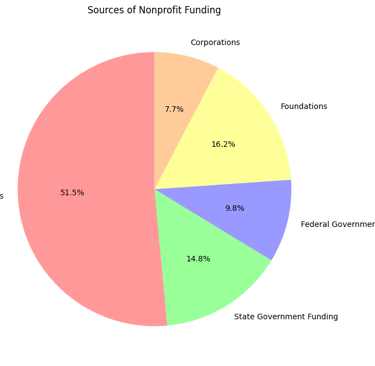
Believe it or not, both of these graphs are showing the exact same information. And both are true! However, graph 1 dkljs;fadjfkldjfkdjf;j
How data management can save money
How data management helps with fundraising and attracting investors
Using data management and visualization can significantly boost your fundraising efforts and attract investors by clearly showcasing your organization's impact. Well-organized data allows you to track donor behavior, create targeted campaigns, and identify high-value supporters. Presenting this information through clear, engaging graphs makes it easier for potential funders to see the tangible results of their contributions, such as the number of lives impacted or how resources were allocated. This transparency builds trust and increases the likelihood of ongoing support.
Moreover, data visualization helps you craft compelling narratives that combine numbers with stories, appealing to both logic and emotion. For example, a chart showing program growth alongside beneficiary testimonials creates a powerful case for investment. Funders are drawn to organizations that can clearly articulate their impact and demonstrate accountability. By effectively using data, you enhance your ability to secure funding and position your organization as a credible, results-driven entity, making it more attractive to long-term partners and supporters.
Effective data management can lead to substantial cost savings and operational improvements for small businesses and non-profits. By implementing automated processes and streamlined data systems, your organization can significantly reduce manual labor, minimize errors, and free up staff for more strategic tasks.
Furthermore, proper data management supports better financial decision-making and resource allocation for small organizations. Accurate data enables more precise budgeting and forecasting, while improved donor and customer data management can increase retention and acquisition rates. Small businesses and nonprofits with well-established data governance frameworks have seen a 20-40% reduction in data errors, directly improving their financial outcomes. By investing in tailored data management strategies, your organisation can achieve significant cost savings and enhance its overall operational effectiveness and ability to fulfil its missions.
Technology and software can fill in for staff gaps or automate time-consuming processes. ASBNS uses software such as Excel, Power BI, QuickBase, and Formstack to streamline the data collection, management, tracking, and reporting process.
More useful information
Tips for setting up a small business or nonprofit
When turning your ideas into tangible enterprises, it's essential to carefully evaluate both your community's needs and your distinctive strengths before initiating a small business or non-profit venture. After that, we recommend a few basic first steps to get your organization off the ground:
Determine your organization's name. Ensure there are no name, brand, or trademark conflicts with existing businesses and that your name is a good website domain is available for your business name if you intend to create a website.
Choose a Business Structure. If you're starting a new business, decide whether you want to operate as a sole proprietorship, partnership, LLC, or corporation. This choice affects your taxes and personal liability. If it's a nonprofit, are you getting your 501(c)3?
Register with the Arkansas Secretary of State. File the appropriate formation documents based on your chosen business structure. This can typically be done online or by mail.
Obtain an Employer Identification Number (EIN). Apply for an EIN from the IRS. This is necessary for tax purposes and hiring employees.
Register for State Taxes. Sign up with the Arkansas Department of Finance and Administration for sales tax and employer withholding taxes.
Obtain Necessary Licenses and Permits. Check local zoning regulations, apply for a general business license, and obtain any additional permits required for your specific industry.
Create a Business Plan. A strong business plan should outline your company's vision, target market, financial projections, operational strategy, and competitive advantage in a clear, actionable format that serves as both a roadmap for growth and a tool for securing potential funding.
Do everything you can in advance before your business goes live. Figure out invoicing, payroll, and what systems you will need in place for your business to operate smoothly. Get quotes for services, have budgets in place, and do the legwork required to avoid unnecessary complications and surprises after you launch.
Establish an Online Presence. For many businesses these days, a strong online presence is a key part of their success. Having an online presence across social media and a functional website will be key to attracting customers and increasing your brand awareness.
If you need help with any of these steps or any other services we offer, including grant writing and data management, do not hesitate to reach out to us via our contact form.

ASBNS
Arkansas Small Business & Nonprofit Solutions
CONTACT US
© 2024. All rights reserved.
Contact
info@asbns.com
Location
Founded in Central Arkansas, operates globally
Hours
Flexible